A trans man is a man. Here's what that meant for the code.
22 July 2026 · 5 min read
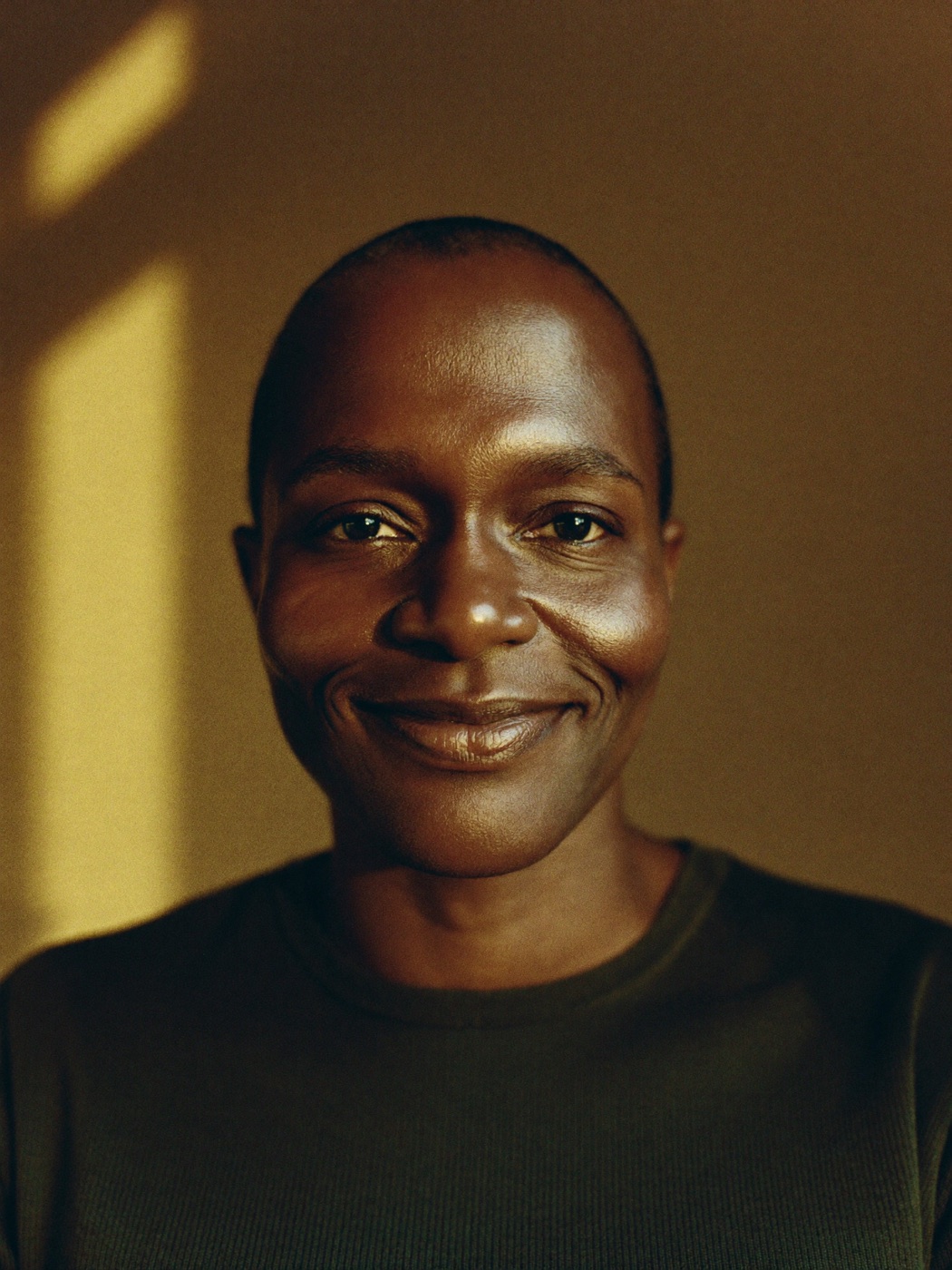
It's easy to say a dating app is for the whole spectrum. It's harder to make the matching agree, and the matching is the only part that counts. A profile field that displays your gender but doesn't change who finds you is a sticker, not a stance.
So we did something uncomfortable: we asked trans people to look at how ours actually worked, and to be specific about where it fell short. They were. This is what they found, and what we changed.
Being open about being trans was quietly costing people reach
We offer "Man" and "Trans man" as separate options, which is right — people should be able to say they're trans if they want to, and forcing everyone into two boxes erases exactly the people we're building for.
But the matching treated them as unrelated categories. So if you listed yourself only as "Trans man," you silently dropped out of every set belonging to someone searching for "Man" — and neither of you ever found out why. Being honest about your history shrank the number of people who could reach you. The person who put it most sharply said separate options with no explanation imply trans people are a sort of pretend gender that's actually separate. They were right, and it was true of the matching, not just the label.
A trans man is a man. A trans woman is a woman. So now the matching treats them that way: list yourself as "Trans man" and you're found by everyone looking for a man, too. On our real data that moved a search for "Man" from 110 people to 118 — eight men who'd been invisible to anyone looking for them.
Three limits we held on purpose, because the lazy version of this fix causes new harm:
- It's match-only. Your stored gender is never rewritten. Your profile shows exactly what you picked. The app decides who can find you, never what you are.
- It's one-way. Someone specifically seeking a trans partner still gets exactly that — T4T stays intact. The implication runs from how you describe yourself to who can reach you, never the reverse.
- It's binary options only. Only "Trans man" to "Man" and "Trans woman" to "Woman," because those two options' own definitions say "a man" and "a woman." Non-binary, genderfluid, agender and the rest are not folded into the binary. That would be the same erasure pointing the other way.
The invisible-consequence problem, on both sides
The deeper issue wasn't any single field. It was that choosing between them had silent effects. Pick one option over another and something changed about who could see you, with nothing on screen to tell you so.
Now both sides say what they do at the point of asking. On your own identity: picking more widens who can reach you, never narrows it. On who you want to see: those match the exact identities people chose for themselves, so leaving one off quietly removes those people from your set. That second half mattered as much as the first — someone who unticks an option reads the resulting absence as "nobody's here" rather than "I filtered them out."
What you're here for, shown plainly
One trans person made a point we hadn't: plenty of people fetishize trans people, and most trans people would rather see that coming than discover it after matching. Who someone is looking to meet was information the app had and wasn't showing.
So it shows now — a plain "here to meet" line on every profile, listing the genders that person selected. It's deliberately not hideable. A privacy toggle there would be used by exactly the accounts it exists to surface, which is different from gender or pronouns, where hiding protects the person themselves.
The thing we haven't solved
We're not going to pretend this is finished. Someone pointed out that people reach for gender words — trans, cis, assigned-at-birth — as euphemisms for anatomy, which ignores that bottom surgery exists and helps nobody say what they actually mean. The honest answer is that we don't have a clean way to let people talk about that directly yet, and the field that would do it well is also the one most likely to read as fetishizing if we get it wrong. It's a real gap. We're sitting with it rather than shipping a bad version fast.
None of this came from a strategy meeting. It came from asking people who've had to fill in these forms their whole lives, and then doing the unglamorous work of changing the matching instead of the marketing. That's the only version of "for the whole spectrum" that means anything: the one you can read in the code.
Know someone this would help?
Dating built on alignment, not volume
The whole LGBTQ+ spectrum, a few genuinely compatible people a day, and matching and messaging free forever.