KindrdJoin Kindrd
← All guides

Long-distance queer relationships: making the miles work

7 min read
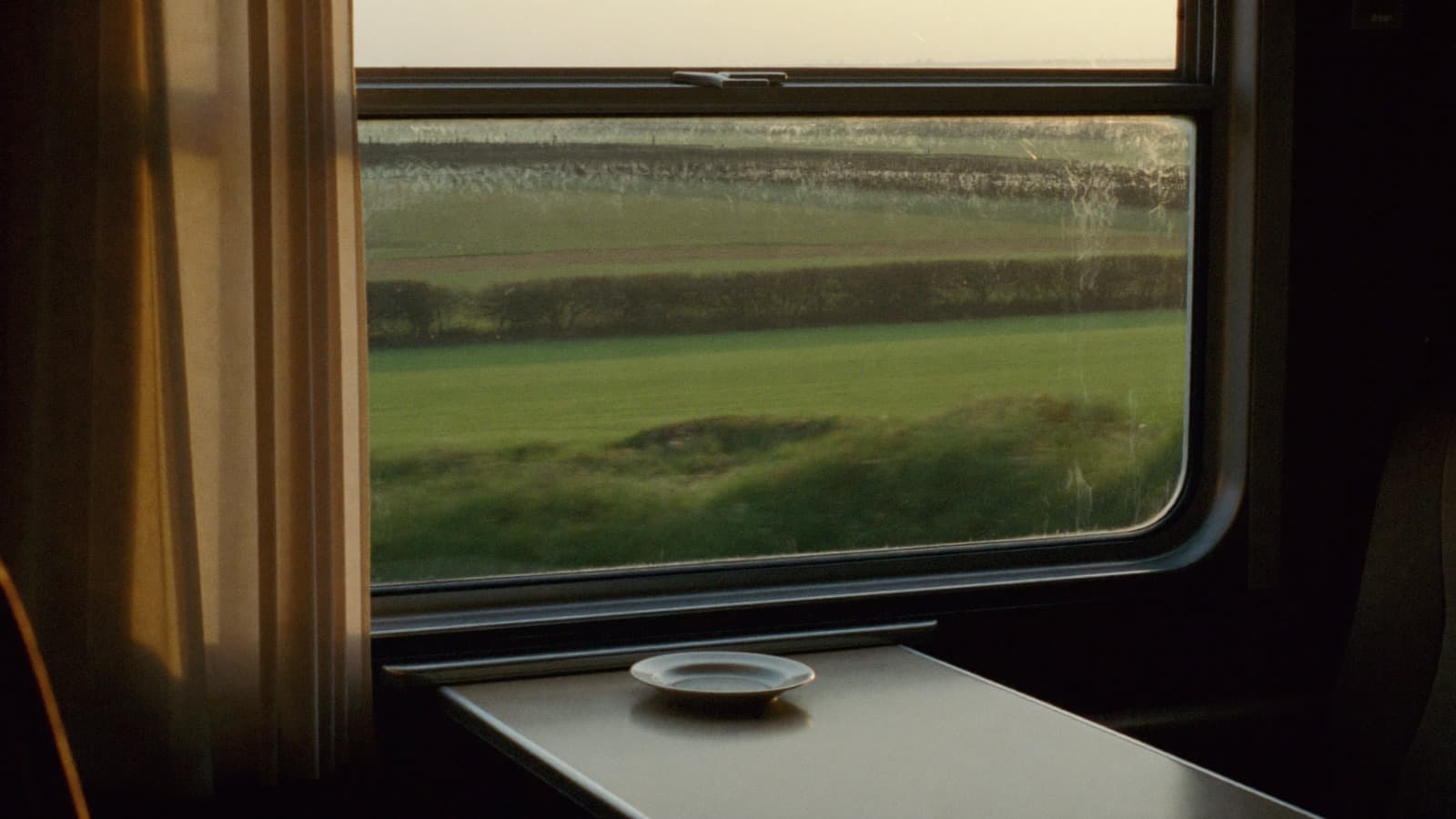
A bare table by a train window, fields and hedgerows passing outside

Queer relationships go long-distance more often than most — because your person might not live in your postcode, your town might be small, and community is scattered. Distance isn't a flaw in the plan. Handled well, it front-loads the thing most couples backfill: actually talking.

Distance forces the skill that matters most

Couples who meet in person get months of chemistry before they find out whether they can communicate. Long-distance reverses that: you build the talking muscle first. The couples who survive distance often out-communicate everyone else for years afterwards. Treat the constraint as training.

Rituals beat volume

Constant messaging burns out; rhythm sustains. A goodnight call. Sunday video breakfast. Watching the same show two time zones apart. One shared playlist that only grows. The point isn't quantity of contact — it's reliability. Knowing when you'll next hear their voice is what makes the space between bearable.

Make the internet a place you live together

Long-distance doesn't mean text-only. Cook the same recipe on video. Read the same book a chapter at a time. Play something together badly. Send voice notes on walks so they hear your city. You're not waiting for the relationship to start — this is the relationship, and it counts.

Have the trajectory conversation early

The uncomfortable truth: long-distance works as a phase, not a destination. You don't need a moving date on day one, but you do need to know one is theoretically possible — that there's a version of the future where the distance is zero. 'Whose city, roughly when, what would need to be true' is a conversation for month two or three, not year two or three.

Visits: alternate, and do boring things

Alternate who travels — it keeps the effort mutual and lets you see each other's real lives. And on visits, do laundry together, not just landmarks. The romantic weekend tells you whether you like holidays. The boring Tuesday tells you whether you'd like a life.

The safety note

Before the first visit, video-call plenty (you almost certainly have), tell a friend where you're going, and book your own accommodation for the first meeting even if you don't end up using it. An exit you never need is still worth having.

Know someone this would help?

Questions

Questions people ask

Do long distance relationships actually work?

They work when there's a plan with dates in it. The distinguishing factor between the ones that last and the ones that erode isn't how much people care — it's whether there's a shared, specific answer to when this stops being long distance.

How often should long distance couples talk?

Regularly enough to share ordinary life, not so constantly that it becomes an obligation. A short daily check-in plus one longer unhurried call most weeks works better for most people than marathon calls that both of you start to dread.

What's the hardest part of long distance for queer couples?

Often the parts nobody warns you about: differing levels of outness in each location, family situations that make visits complicated, and legal or visa realities that straight couples don't have to plan around. Naming those early prevents them arriving as a crisis later.

Keep reading

Related guides

Two mugs side by side on a wooden porch step in low evening lightComing out to someone you're already dating6 min readA jug of daisies and wildflowers in a sunny windowDating as an asexual or aromantic person6 min readAn avenue of autumn trees with a bench, fallen leaves covering the groundDating when you're newly out6 min read


All guides · Questions about Kindrd

More where this came from

New guides most weeks — practical, honest, zero fear-mongering.

Browse all guides